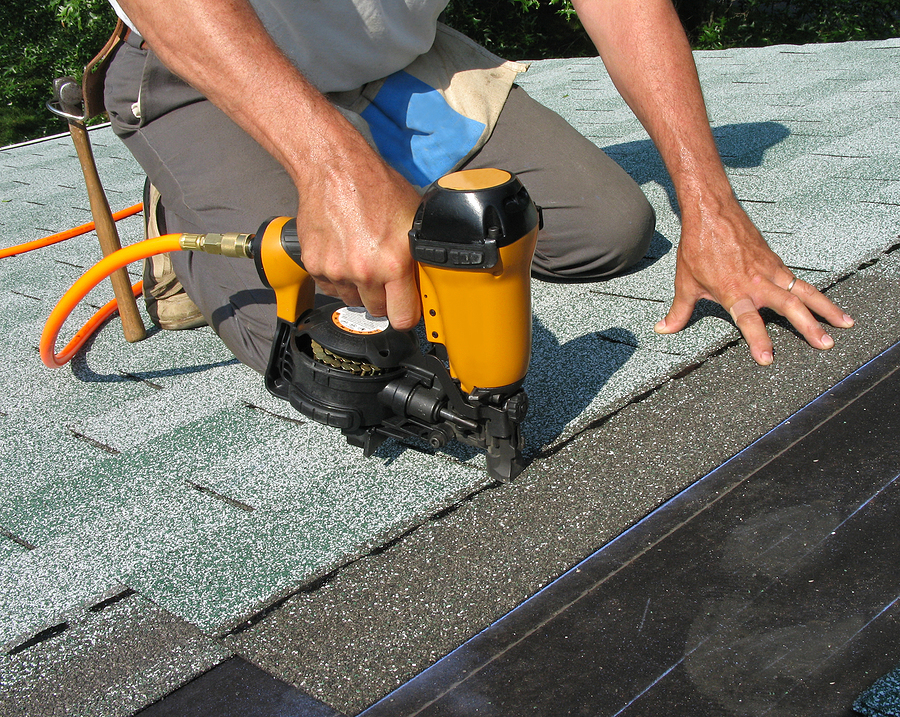
If your roof was installed 15 years ago using “30-year shingles,” you might assume you have another 15 years before you need to think about replacing it.
Unfortunately, it’s not quite that simple.
For Connecticut homeowners, the age and condition of a roof can also play an important role when shopping for or renewing homeowners insurance. Understanding what those numbers on roofing materials actually mean can help you avoid an unwelcome surprise.
What Does “30-Year Shingle” Actually Mean?
Terms such as “20-year,” “30-year,” “40-year,” or “50-year” shingles are commonly associated with the manufacturer’s warranty or product rating.
They should not be interpreted as a guarantee that your roof will remain in good condition for that exact number of years.
A roof’s actual lifespan depends on many factors beyond the label on the shingles.
Connecticut Weather Can Be Tough on Roofs
Here in Connecticut, roofs experience plenty of changing conditions throughout the year.
Snow and ice in winter, heavy rain, high winds, summer heat, falling branches, and temperature swings can all contribute to wear over time.
Other factors affecting roof life can include:
- Quality of the original installation
- Proper attic ventilation
- Shingle and roofing material quality
- Routine maintenance
- Moss or algae growth
- Previous storm damage
- Condition of flashing and seals
Two roofs installed in the same year can therefore be in very different condition today.
Why Roof Age Matters for Homeowners Insurance
Insurance companies establish their own underwriting guidelines for roofs. Depending on the carrier, roof age, condition, material, and replacement history may influence whether a property qualifies for coverage and what coverage options are available.
The insurers an independent agency works with may also have different age guidelines. That’s one reason it’s helpful to work with an agent who can review multiple options rather than assuming every insurance company will evaluate your roof the same way.
Most importantly, don’t assume that having a “30-year” shingle automatically means an insurer will consider the roof acceptable until year 30.
What Should Connecticut Homeowners Do?
If your roof is getting older, you don’t necessarily need to wait for a leak to start paying attention.
Have it inspected periodically, address small problems promptly, keep records of repairs and replacement, and know approximately when the roof was last replaced.
And if you’re buying a Connecticut home with an older roof, ask about the roof’s age and condition before finalizing your homeowners insurance.
Is Your Roof Affecting Your Insurance Options?
At Petruzelo Insurance, we help homeowners throughout Wallingford, North Haven, Meriden, Cheshire, Hamden, New Haven County, and across Connecticut understand how characteristics of their homes may affect their insurance options.
If your roof is aging—or you’re buying a home and aren’t sure how the roof could affect coverage—contact Petruzelo Insurance for a homeowners insurance review.